The first question every cannabis customer asks — and the one most articles still answer incorrectly — is whether to buy indica or sativa. The classic story is simple: indica relaxes you, sativa energizes you, hybrid is somewhere in between. It’s the version on every menu and every bag, and it’s mostly wrong.
Here’s the honest version. The indica/sativa/hybrid label still matters, but it’s a starting point, not a prediction. The compounds inside a strain — terpenes especially — drive your experience more than the family tree does. We’ll walk through what the categories actually mean, what really shapes how a strain feels, and how to pick by what you want out of a session.
What each category tells you (and what it doesn't)
| Category | Common label association | What actually drives it | When to start here |
|---|---|---|---|
| Indica | Body-heavy, evening, relaxing | Often a high-myrcene terpene profile | Evening, wind-down, low-energy nights |
| Sativa | Head-forward, daytime, energetic | Often high in limonene or pinene | Social, creative, daytime use |
| Hybrid | A designed mix | Whatever terpenes were bred for | When you want a specific effect, not a category |
| The honest take | The label is a starting point | Terpene profile, dose, format, and you | Always — ask a budtender to translate goal into product |
And why it's only half right
For decades, the cannabis industry has taught customers a tidy taxonomy: indica plants are short and bushy, originally from the Hindu Kush mountains, and produce sedating “body high” effects. Sativa plants are tall and slender, originally from equatorial climates, and produce energetic “head high” effects. Hybrids are the in-between.
The botany part of that story is reasonably accurate. The effect predictions aren’t. Modern cannabis research has shown that the indica/sativa classification — which describes plant morphology — doesn’t reliably predict how a strain will make you feel. Two indica-labeled strains can produce wildly different experiences depending on their chemical profile. Two strains labeled differently can feel nearly identical if their terpenes line up.
The label is still useful as a rough first sort. It is not, however, what most cannabis-effect research is actually pointing at as the cause of how a strain feels.
That’s the deeper picture. Now let’s walk through each category honestly.
What “indica” actually means
Botanically, indica plants are shorter, bushier, broader-leaved, and originally adapted to the cooler, higher-altitude regions of central Asia. The category includes strains like Granddaddy Purple, Northern Lights, Bubba Kush, and the Hindu Kush family.
What customers commonly report from indica-labeled strains:
- Heavier body feel; some users describe it as “couch-lock”
- Slower mental pace; more contemplative
- Sometimes increased appetite
- Often easier to fall asleep on; many users gravitate to indica for nighttime use
The honest qualifier: most of those reported effects correlate strongly with myrcene, a terpene common but not exclusive to indica strains. If you find a sativa-labeled strain with similar myrcene content, you’ll often experience a similar body-leaning effect. The label isn’t doing the work — the chemistry is.
If you’re shopping our flower menu for an evening-leaning experience, start with indica-labeled strains but check the terpene profile if it’s listed.
What “sativa” actually means
Sativa plants are taller, narrower-leaved, and historically grown in warmer equatorial climates. Strains include Sour Diesel, Jack Herer, Durban Poison, Green Crack, and the Haze family.
What customers commonly report from sativa-labeled strains:
- Head-forward feel; more cerebral than physical
- Often described as energetic, talkative, social
- Sometimes a slight edge — first-time users occasionally find pure sativas more anxiety-prone
- Generally less appetite increase than indica counterparts
- Most people choose sativa for daytime, creative work, or social settings
Same caveat as indica: the effects most people associate with sativa correlate with terpenes like limonene (citrus aroma, often uplifting) and pinene (pine aroma, often clear-headed). Strain reputation is partly accurate and partly self-fulfilling — if everyone expects Sour Diesel to be energizing, it tends to feel that way.
If daytime use is on the table, a quick note on driving: cannabis affects reaction time and coordination, and Massachusetts treats driving under the influence the same as alcohol. Plan to be off the road for the session.
Browse our sativa-leaning flower or talk to a budtender about which current options skew uplifting.
And why almost every modern strain is one
A hybrid is bred from a mix of indica and sativa lineage. Most strains sold in Massachusetts today are technically hybrids — pure indicas and pure sativas have become rare as breeders crossbred over generations to chase specific effects, flavors, and yields.
Hybrids are usually labeled with their lean:
- Indica-dominant hybrid — leans body-heavy but with a touch of head-forward
- 50/50 balanced — somewhere in the middle
- Sativa-dominant hybrid — leans cerebral but with some body
Notable hybrids: Wedding Cake (indica-leaning), Blue Dream (sativa-leaning), Girl Scout Cookies / GSC (hybrid), OG Kush (hybrid-leaning indica), Pineapple Express (sativa-leaning).
In practice, the hybrid label tells you that breeders aimed for a specific mix, but it doesn’t tell you what that mix actually feels like. The strain name, terpene profile, and your own past experience are better predictors. If you’ve liked Wedding Cake before, you’ll likely like other indica-leaning hybrids with similar terpene profiles.
If a category feels too broad to pick from, ask a budtender to translate “I want X effect” into a specific hybrid currently in stock.
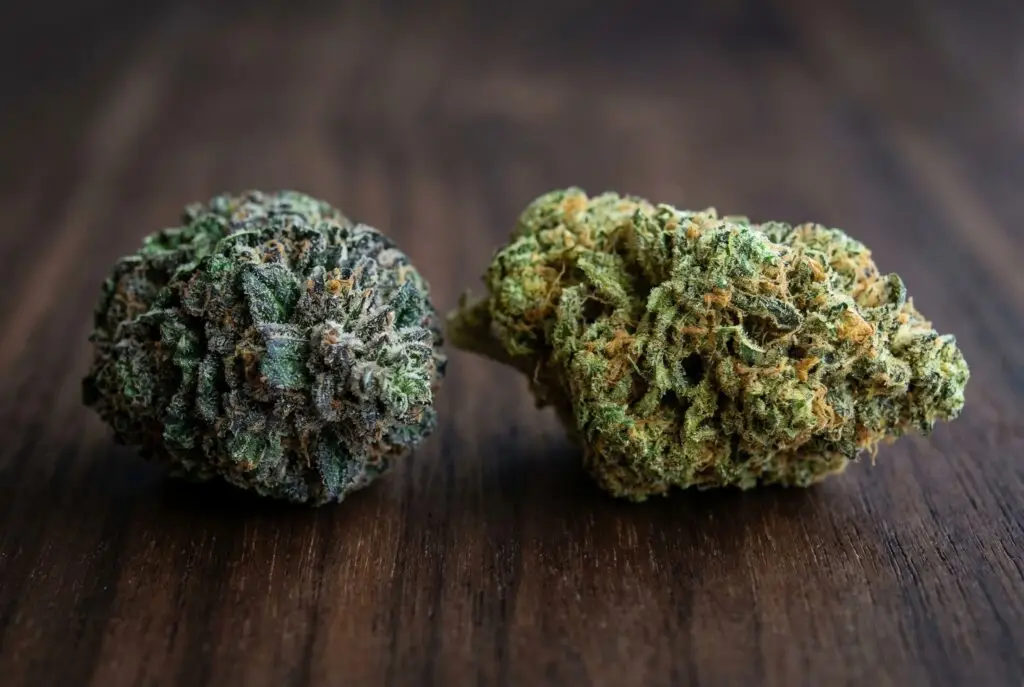
What actually drives the effect
The compounds that move the needle on how a strain feels:
Terpenes — aromatic compounds shared with many other plants. Common cannabis terpenes:
| Terpene | Where else you smell it | What users commonly report |
|---|---|---|
| Myrcene | Mango, hops, lemongrass | Body-heavy, relaxing |
| Limonene | Citrus peel | Uplifting, often mood-lifting |
| Pinene | Pine needles | Clear-headed, alert |
| Linalool | Lavender | Calming, gentle |
| Caryophyllene | Black pepper | Body-relaxing without sedation |
| Terpinolene | Apples, nutmeg | Light, often head-forward |
A Massachusetts label often lists the dominant terpene. If sleep is the goal, ask for high myrcene or high linalool. If energy is the goal, ask for high limonene or pinene. This is closer to how experienced budtenders shop.
Cannabinoids — THC and CBD are the primary drivers of intensity. THCV, CBN, CBG, and others modify the experience in subtler ways. Our cannabinoids 101 guide covers the full chemistry — worth a read alongside this one.
The combined effect of terpenes plus cannabinoids plus your individual response is sometimes called the entourage effect. The most cited piece of formal research on this is Ethan Russo’s 2011 paper in the British Journal of Pharmacology, which laid out the case that cannabis compounds work together as a system. The full clinical evidence is still preliminary, but most regular cannabis consumers find the effect real in practice.
Skip the category. Pick by what you want out of the session.
Five common goals and where to start. Use these as a first sort — then ask a budtender to tune the recommendation to what’s on the shelf today.
Relax
After work, weekend wind-down. Look for indica-leaning or balanced hybrids with myrcene + caryophyllene — Wedding Cake, Granddaddy Purple, Bubba Kush. Ask a budtender for high-myrcene options on the shelf.
Focus
Creative or solo work. Look for sativa-leaning hybrids with pinene + terpinolene — Jack Herer, Green Crack, Durban Poison. Ask for high-pinene options.
Sleep
Evening, before bed. Indica or indica-leaning hybrids high in myrcene + linalool — Northern Lights, Granddaddy Purple. Often paired with CBN-blend gummies for a layered effect.
Creative
Writing, art, music. Sativa-leaning hybrids with limonene + caryophyllene — Blue Dream, Pineapple Express, Tangie. Ask for high-limonene options.
Social
Gatherings, dinner with friends. Balanced or sativa-leaning hybrids with limonene-forward profiles — Blue Dream, Cherry Pie. Lower THC (15–20%) often works better than high-THC strains.
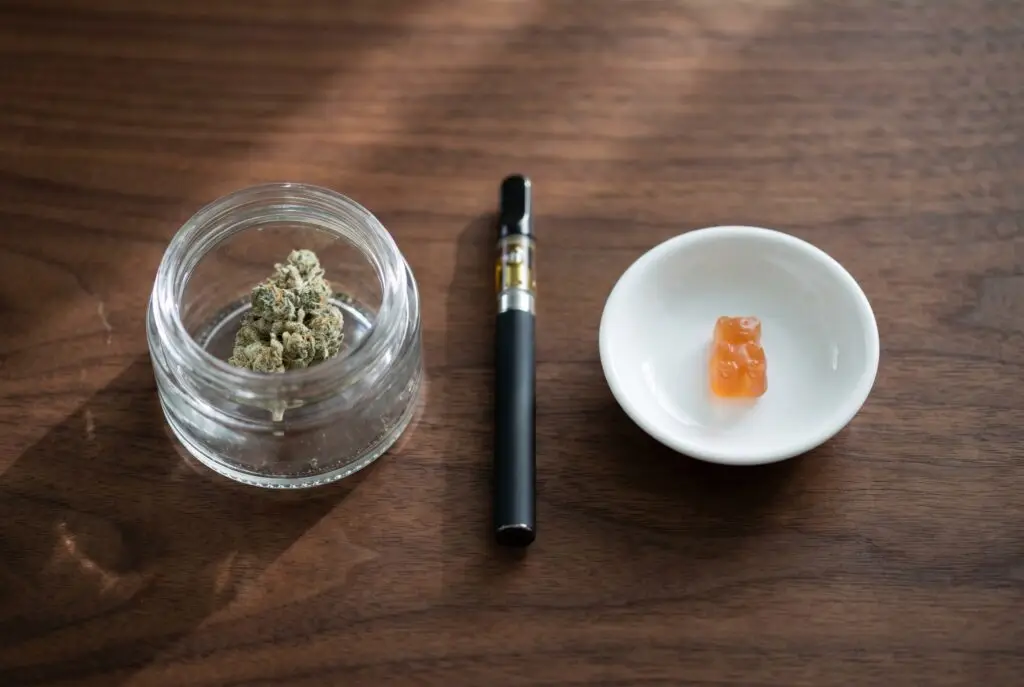
Flower vs. vape vs. edible
The same strain feels different depending on how you consume it. The cannabinoid and terpene base is identical, but the route of administration changes onset, intensity, and duration.
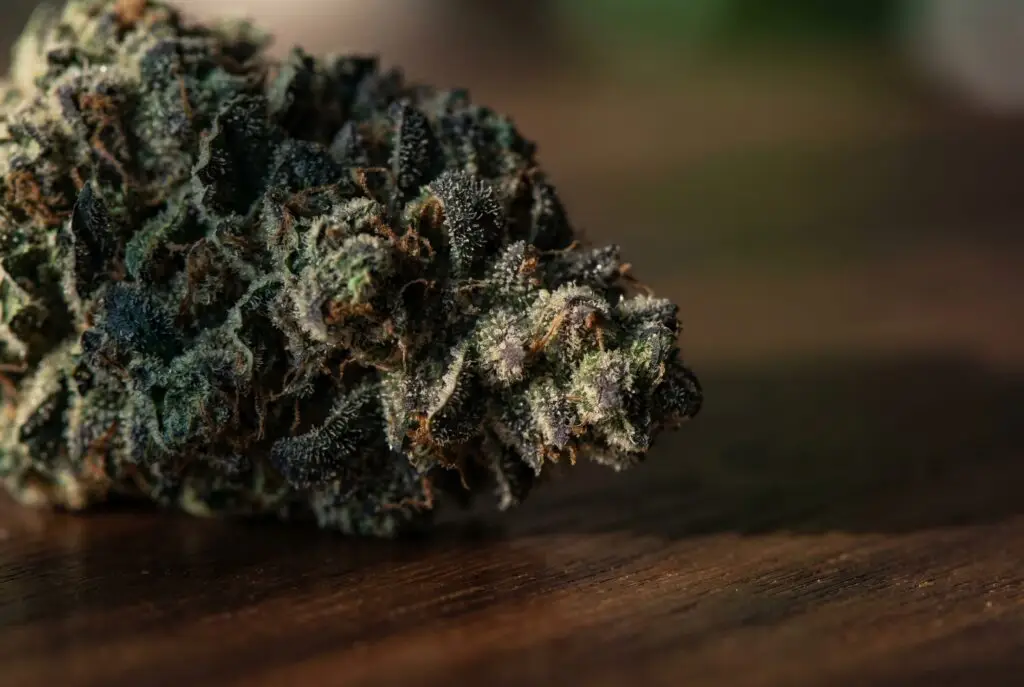
- Flower & strain-specific vape carts preserve the terpene profile best — closest to the “pure” strain experience.
- Edibles convert THC into 11-hydroxy-THC in the liver, a different molecule with stronger and longer effects regardless of the source strain. The indica/sativa label still nudges the experience, but it matters less than it does for flower.
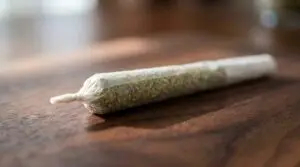
- Pre-rolls are the fastest way to try a new strain without committing to a jar.
If you’re new to a strain, try it as flower or a pre-roll first to know what the “pure” version feels like, then experiment with other formats.
How to read a Massachusetts label for strain type
Every Holyoke product label tells you:
- Strain name — the specific cultivar (Wedding Cake, Blue Dream, and so on)
- Strain type classification — indica / sativa / hybrid (sometimes indica-leaning or sativa-leaning)
- Total THC — active THC after decarboxylation. This is what you’ll feel.
- Total CBD — any meaningful CBD content
- Dominant terpene — often listed for premium flower
- Producer / cultivator name — matters for consistency over time. A strain from one grower can feel different from the same strain from another grower.
- Batch and harvest date — fresher is better. Under six months is ideal.
For the deeper walk-through on the cannabinoid panel itself, our cannabinoids 101 guide handles that side. The general rule: strain type is the headline; terpene profile and producer are where the real signal lives.
Holyoke's regulars, by category
Reliable, evergreen strains commonly found at Holyoke and other licensed Massachusetts dispensaries. Inventory rotates — ask a budtender for current availability.
- Wedding Cake (indica-leaning) — sweet, dessert-like flavor; relaxing without heavy sedation
- Granddaddy Purple (indica) — classic evening strain; high myrcene; grape-and-berry aroma
- Sour Diesel (sativa) — diesel-citrus aroma; energetic and conversational
- Jack Herer (sativa) — pine and earth; clear-headed daytime favorite
- Blue Dream (hybrid) — the workhorse hybrid; berry-sweet, balanced
- GSC (Girl Scout Cookies) (hybrid) — sweet, slightly minty; mood-lifting body-relaxing combo
This list is intentionally short. Cannabis strains are like beer or coffee — your best path is to try a few across categories, keep a quick note on what worked, and let a budtender refine the recommendation. Our regulars build their preferences over months, not in one visit.
Frequently asked questions
Is indica really better for sleep?
Is sativa really better for energy or focus?
What does “hybrid” actually mean?
What are terpenes?
How do I know which category I prefer?
Do indica vapes hit different from indica flower?
Will an indica make me sleepy at 2pm?
What's the most flower I can buy at once in Massachusetts?
60+ strains. Honest guidance. Friendly faces.
If you’re new to cannabis or new to a category, our team will ask what kind of session you’re planning and walk you through what’s currently on the shelf. Bring a valid 21+ ID. We’ll handle the rest.
Sources
- Russo, E.B. (2011). Taming THC: potential cannabis synergy and phytocannabinoid-terpenoid entourage effects. British Journal of Pharmacology
- National Institute on Drug Abuse — Cannabis (Marijuana) Research
- Cannabis Control Commission — Adult-Use Regulations (935 CMR 500.00)
- Massachusetts law about recreational marijuana — Mass.gov